Renting Data Center Space: Key Considerations for Technology Businesses
Securing data center capacity represents a critical choice for IT organizations. Security measures, location, and power dependability are fundamental aspects that impact operational efficiency. Pricing models and contractual agreements also serve a vital function in long-term planning. As businesses strive to accommodate shifting data needs, understanding these elements becomes imperative. Which key factors should organizations focus on to confirm that sound judgments are achieved in this challenging environment?
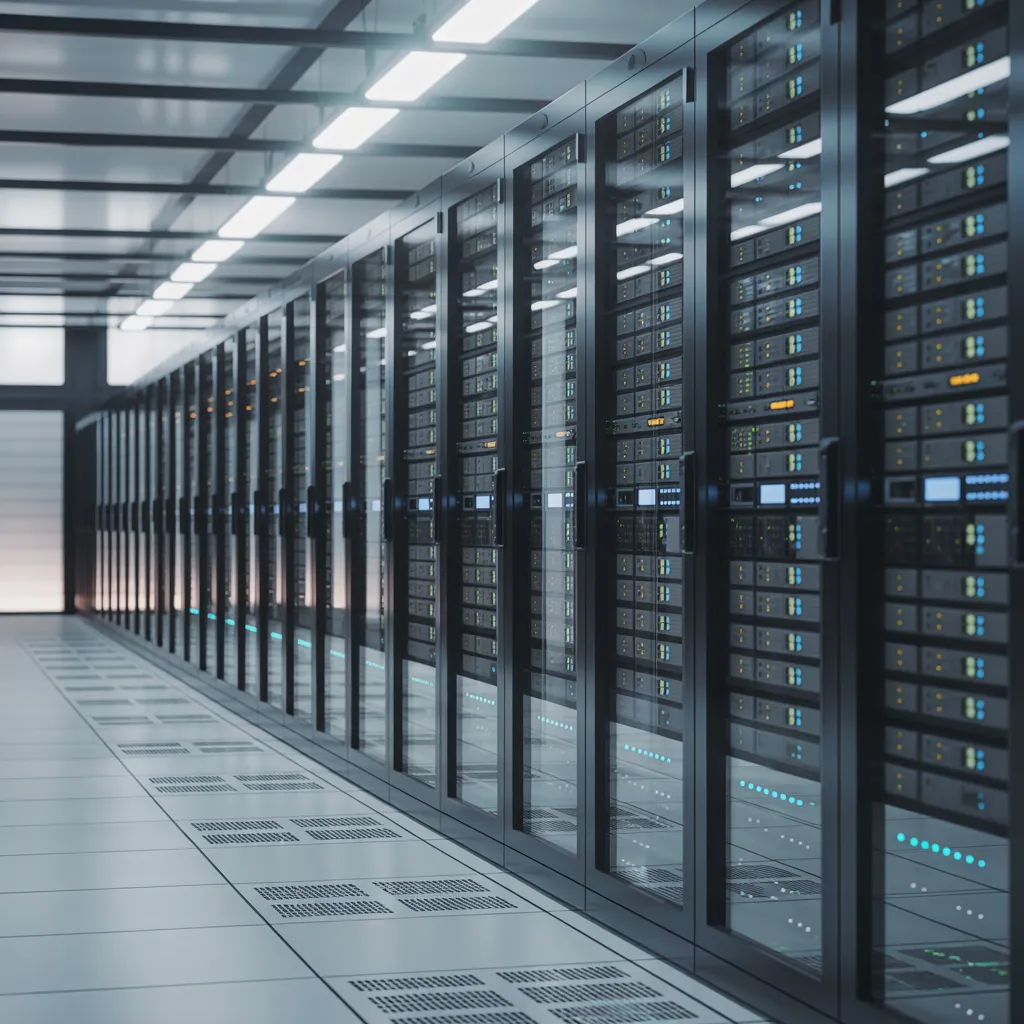
Selecting the Ideal Location for Data Center Leasing
When determining a facility for data center leasing, businesses must evaluate several key factors that can influence operational efficiency and cost. The geographic location significantly affects accessibility and latency, so nearness to primary markets is essential. Additionally, organizations should assess the regional climate, as temperature and humidity can impact cooling requirements and energy consumption.
The availability of dependable facilities, including transit systems and fiber optic communication networks, is critical for ensuring seamless operations. Moreover, regulatory aspects, such as zoning requirements and environmental guidelines, can affect site suitability.
Organizations should also assess the threat of natural disasters, such as earthquakes or floods, which may compromise data integrity. Ultimately, a strategically chosen location not only minimizes operational challenges but also enhances performance, confirming that the data center complements corporate strategies and development initiatives.
Assessing Power and Connectivity Options for Your Data Center
Identifying an optimal location for a data center establishes the foundation for analyzing power and connectivity options, both of which are essential to operational effectiveness. Technology organizations must emphasize consistent power sources to maintain uninterrupted operations. This entails reviewing the accessibility of backup systems, like uninterruptible power supplies (UPS) and standby generators, which can safeguard against outages.
Network connectivity choices are equally critical. Companies should evaluate the availability of multiple internet service providers to enhance bandwidth and minimize latency. This guarantees robust network performance, which is crucial for data transfer and operational efficiency. Moreover, access to fiber optic networks can considerably influence connectivity performance.
At the end of the day, a complete assessment of power supply and network connectivity options will allow tech organizations to reach well-informed conclusions, improving both operational performance and dependability in their data center operations.
What You Need to Know About Data Center Security and Compliance
When securing data center space, comprehending security and compliance is vital. This encompasses examining physical security measures, conforming to data encryption standards, and fulfilling regulatory compliance requirements. Together, these factors ensure the safeguarding of sensitive information and the continuity of operations.
Physical Security Measures
Implementing comprehensive physical security measures is vital for organizations that lease data center facilities. These measures protect sensitive data and infrastructure from unauthorized access, theft, and potential disasters. Essential elements encompass access control mechanisms, which restrict explore now entry to authorized personnel through biometric scanning or key cards. CCTV systems and monitoring solutions provide uninterrupted observation of the facility, while dedicated security teams can react quickly to any security violations. Additionally, physical barriers such as fences and reinforced walls deter intruders. Companies should carefully evaluate the positioning of the data center, ensuring it is situated away from natural disaster zones. Compliance with industry standards and regulations further enhances security, providing peace of mind for tech companies entrusting their data to external facilities.
Data Encryption Standards
Data encryption standards play a critical role in securing sensitive data across data center environments. These frameworks maintain data integrity whether stored or being transferred, shielding it from unauthorized access and security breaches. Common encryption protocols, such as AES (Advanced Encryption Standard) and RSA (Rivest-Shamir-Adleman), provide robust frameworks for encrypting data. Adopting these protocols reduces vulnerabilities linked to data theft and strengthens the overall security framework. Moreover, businesses should focus on key management strategies, making certain that encryption keys are stored and handled securely. Regular audits and updates to encryption methods are essential to address emerging threats and vulnerabilities. By following proven encryption standards, tech organizations can enhance their data security measures and foster client confidence in their data protection capabilities.
Regulatory Compliance Requirements
Navigating regulatory compliance requirements is essential for organizations managing data centers. Adherence to regulations such as HIPAA, GDPR, and PCI DSS confirms that data is processed securely and protects sensitive information. Companies must carry out regular audits and deploy comprehensive security measures to satisfy these requirements. Failing to adhere can cause significant fines and reputational damage. Additionally, companies should keep up with shifts in regulatory requirements and industry best practices to adjust their approaches as needed. Collaborating with established data center providers can help meet these regulations, as many include dedicated compliance capabilities. Ultimately, a proactive approach to regulatory compliance not only safeguards data but also strengthens customer trust and confidence in the business's devotion to security.
Exploring Data Center Costs and Rental Terms
Steering through the intricacies of data center pricing and rental agreements requires a solid understanding of diverse cost models and potential hidden fees. The adaptability of lease durations can significantly impact general expenditures and operational effectiveness. Awareness of these factors is critical for reaching well-grounded conclusions in data center procurement.
Understanding Cost Structures
Securing data center space requires managing a multifaceted relationship of costs and contractual terms that can substantially influence an enterprise's budgetary framework. Essential cost factors consist of base rent, utilities, maintenance fees, and additional services such as climate control and security measures. Organizations must also consider changing costs that vary depending on operational demands, and the possibility of cost growth connected to market fluctuations or inflationary pressures. Comprehending these monetary factors is essential for reliable cost estimation and financial planning. Moreover, leasing arrangements commonly incorporate clauses addressing indemnification, policy requirements, and contract dissolution terms, which can further affect overall expenses. A comprehensive evaluation of all associated expenses is necessary for technology organizations to reach sound conclusions that align with their operational and financial goals.
Lease Term Flexibility
While many organizations prioritize cost efficiency in data center leasing, the flexibility of lease duration can greatly influence their overall strategy. Technology companies frequently encounter rapid shifts in demand driven by market fluctuations or technological advancements. Consequently, choosing shorter lease terms can offer the flexibility required to respond to these changes without taking on long-term commitments. In contrast, longer leases can present cost savings and stability, drawing in companies with consistent and predictable growth paths. Additionally, organizations should consider renewal options, as these can provide further flexibility in adjusting space according to future needs. At the core, analyzing lease duration flexibility is vital for harmonizing data center strategies with business objectives, ensuring that organizations remain agile and competitive in a rapidly changing environment.
Hidden Fee Transparency
What strategies can organizations use to handle the commonly ignored charges associated with data center rental agreements? Concealed charges can significantly increase the complete cost of securing space, making it essential for companies to conduct thorough due diligence. These fees may include charges for power consumption, upkeep, security measures, and network access, commonly concealed in rental contracts. A comprehensive analysis of all charges is essential; businesses should demand clarity in fee breakdowns and address any vague contractual language. Furthermore, renegotiating contract conditions can reduce unforeseen expenses, guaranteeing that every stakeholder comprehends their monetary responsibilities. By being vigilant and proactive, tech companies can better navigate the complexities of data center leasing and steer clear of unforeseen charges that could harm their financial performance.
Strategizing for Growth: Scalability and Adaptability in Data Center Leasing
Adaptability is crucial in the fast-changing landscape of technology, especially when it comes to leasing data centers. Companies must prioritize scalability and flexibility to address evolving requirements. As organizations scale, their data requirements often expand, calling for a flexible leasing plan. Selecting a data center that allows for easy scalability can enable companies to sidestep costly migrations or infrastructure upgrades.
Flexibility in leasing agreements is also important, allowing companies to adapt their spatial and resource assignments as required. This might involve restructuring contracts or selecting shorter lease durations that facilitate quick scaling or reduction. Additionally, tech companies ought to evaluate providers that deliver scalable options, facilitating gradual growth without considerable preliminary expenditures. By prioritizing these considerations, businesses can guarantee their infrastructure solutions support their extended goals, thereby promoting sustained growth and operational efficiency.
Comparing Colocation vs. Dedicated Data Center Solutions for Your Needs
Selecting the ideal data center approach is critical for companies navigating the intricacies of today's technology landscape. Colocation and purpose-built data center options each offer unique benefits tailored to diverse enterprise demands. Colocation permits organizations to secure space within a shared facility, enabling cost-sharing for infrastructure and resources. This approach proves highly valuable for businesses seeking scalability without considerable initial financial commitment.
Conversely, exclusive data center services offer private access to an entire facility, offering superior security protocols and personalized setups. This method proves beneficial for organizations with particular regulatory obligations or those needing tailored performance metrics.
In the end, the decision depends on elements including budget, security demands, and growth prospects. Organizations must weigh the adaptability and affordability of colocation against the management and safeguarding provided by dedicated solutions. A comprehensive evaluation of organizational demands will lead organizations in selecting the most appropriate data center approach.
Commonly Asked Questions
How Long Does It Typically Take to Set up a Leased Data Center?
Typically, setting up a leased data center takes between three to six months. This duration covers the phases of planning, installation, and configuration, shaped by the complexity of the requirements and the availability of infrastructure and resources.
What Are the Frequent Challenges in Leasing Data Center Space?
Frequent mistakes in securing data center space include inadequate due diligence, neglecting scalability requirements, failing to assess power and cooling requirements, ignoring contract terms, and failing to account for geographical risks that could affect business operations.
Can I Schedule a Tour of the Facility Before Signing a Lease?
Certainly, future tenants can typically tour the facility before finalizing a lease agreement. This allows them to evaluate infrastructure, security measures, and overall suitability, ensuring informed decisions about their data center requirements and space expectations.
What Support Services Are Usually Included in Leasing Agreements?
Support services in leasing agreements generally consist of security, maintenance, cooling systems, power management, technical support, and sometimes additional features like backup solutions and network management, guaranteeing consistent reliability and efficiency for tenants.
How Do I Handle Equipment Maintenance in a Leased Data Center?
To oversee equipment maintenance in a contracted data center, you should establish effective communication with the service provider, schedule regular checks, and confirm that maintenance responsibilities are clearly outlined in the rental agreement.